
For architects & interior designers
Rendair vs Vibe3D: project boards and client delivery
Vibe3D keeps rendering, revisions and client delivery in one project. Create ultra-realistic 2K+ images with rich materials and natural light, refine them without image degradation and retain versions and favorites. Finish with a film assembled to music, live Present or PDF, ZIP and link sharing. Rendair offers shared boards, multiple AI models and generated 3D assets for a broader team workflow.
3 free renders · No rendering GPU needed
 Vibe3D render
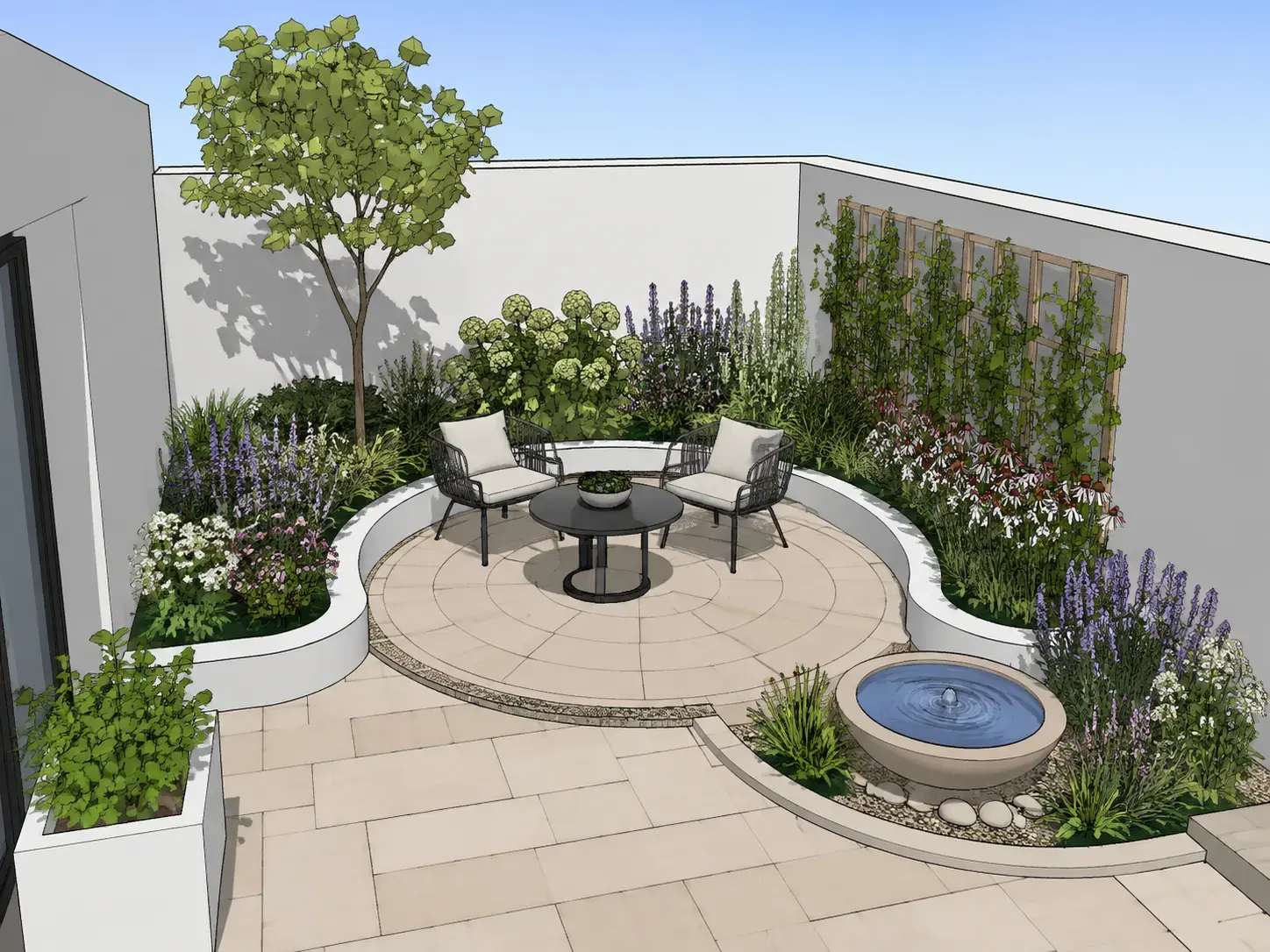
Garden concept
- Renders true to your design
- Rich textures and lighting at 2K+, preserving the geometry, camera and materials in your model view.
- Precision edits
- Zero image degradation across revisions. Track versions and keep your favorites.
- A complete client presentation
- Project films with music, live presentations, PDF exports and sharing links.
- No subscription required
- One-time credits that never expire, for occasional projects without a recurring commitment.
A different rendering workflow
Why consider a Rendair alternative?
Both Vibe3D and Rendair organize visual work within a project. Rendair’s boards bring references, generations and multiple team members together, with model choice and downloadable 3D assets. Vibe3D centers the work on design-faithful renders, scene revisions and the selected presentation set. The decision is about the controls and deliverables you need, not whether only one product has a workspace.
For a courtyard proposal, keep the paving alternatives as versions, star the selected stone and show an evening option. Populate the view to communicate scale and add a detail of the terrace finish. Vibe3D can take the selected courtyard and interior views into a film with music, then Present, PDF, ZIP or a view-only link.
Side-by-side comparison
Vibe3D vs Rendair: core comparison
Compare Vibe3D and Rendair on rendering, revisions, lighting, delivery and plans. Shared AI capabilities do not make the complete workflows identical.
Swipe across the table to compare both tools →
| What you need | Rendair | Vibe3D |
|---|---|---|
| Rendering & image quality | Choose Rendair v1/v2 or another image model. Render size and upscaling have separate costs. | Realistic 2K+ output with rich textures and natural lighting, preserving the geometry, camera and materials of the reference view. Fidelity/Lumen render; HyperReal enhances existing renders. |
| Targeted revisions | Edit existing renders or isolate changes with masking and the available model controls. | Precise edits with zero image degradation across revisions. Keep versions within each scene, compare alternatives and star favorites. |
| Lighting & atmosphere | Change Season can apply spring, summer, autumn or winter to an existing render. | One-click time-of-day changes for interiors and exteriors, interactive lighting for prepared interiors, and exterior weather and surroundings controls. |
| Scene population & details | Generate and revise project imagery with available models and editing tools. | One-click scene population and full-resolution close-up shots from a render. |
| Video workflow | Generate clips using video models such as Kling. Charges depend on length and resolution. | Cinematic project films from selected views, with automatic scene assembly and matched music. Download the finished film without separate clip stitching or soundtrack editing. |
| Project organization | Boards and presentation tools; team seats and active-board limits vary by plan. | Project scenes with version tracking and favorites, live Present mode, PDF/ZIP exports and view-only project or scene links. |
| Design scope | Create images or export generated 3D models as GLB and scenes as SPZ. | Still images, details and presentation videos. The source CAD or BIM model remains separate. |
| Pricing model | Credit-based subscriptions with board and team allowances. | One-time packs have no expiry. Monthly plans refresh each billing cycle. |
| Presentation & sharing | Shared boards, presentation tools and team access with plan-specific seats. | Present completed scenes live, export a PDF, bulk-download a ZIP or share a view-only project/scene link. Star favorite versions for a curated export. |
Rendair advertises floor-plan-to-3D and multi-model workflows. Those are separate capabilities from the image rendering and editing compared here; confirm the output formats you need.
A finish revision in Vibe3D
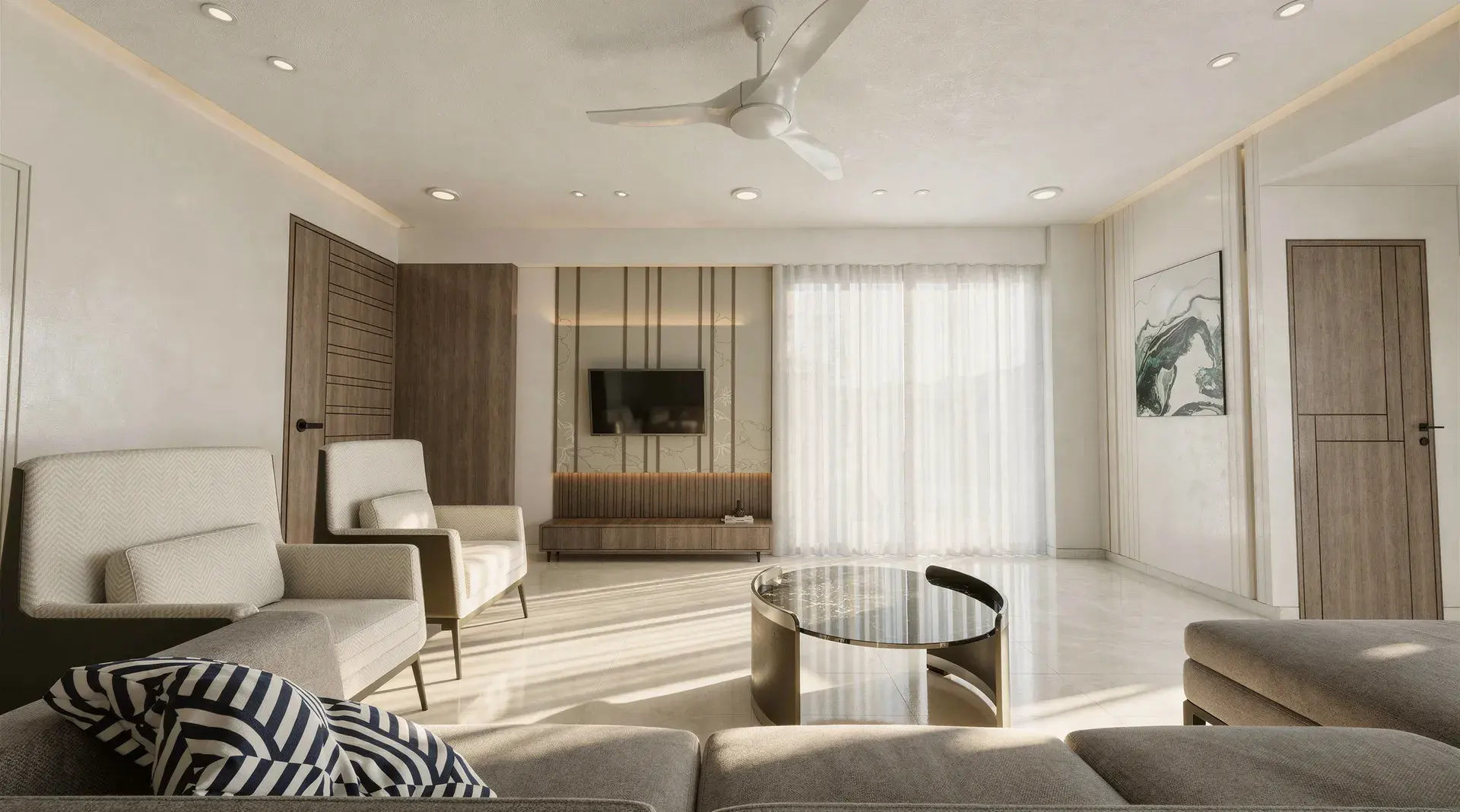
In this Vibe3D example, the chairs change to sage, the coffee tables take a new shape and the artwork becomes a landscape. Open a 1440 × 960 web image to inspect the finishes.
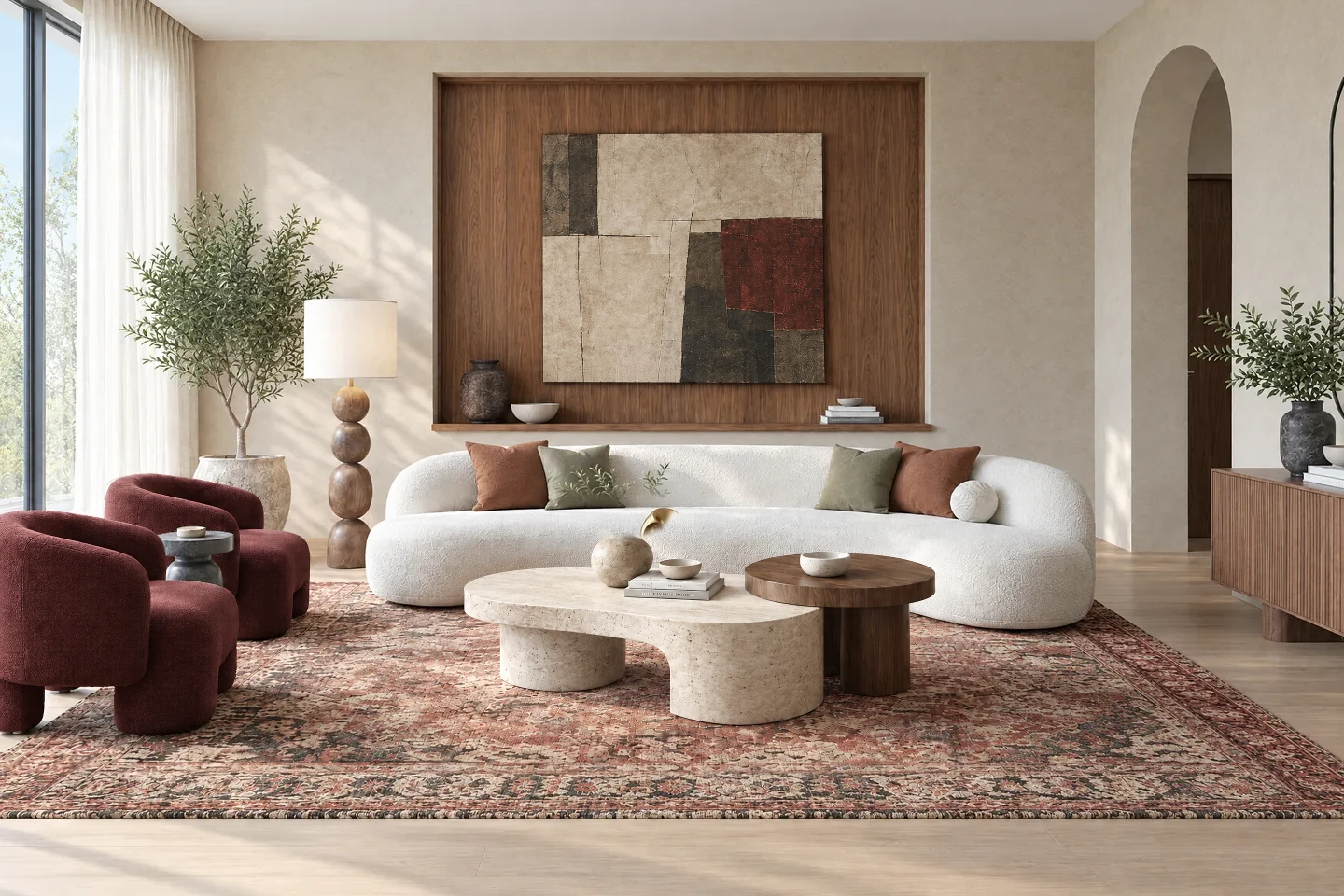 Original render
 Revised chairs, tables and artwork
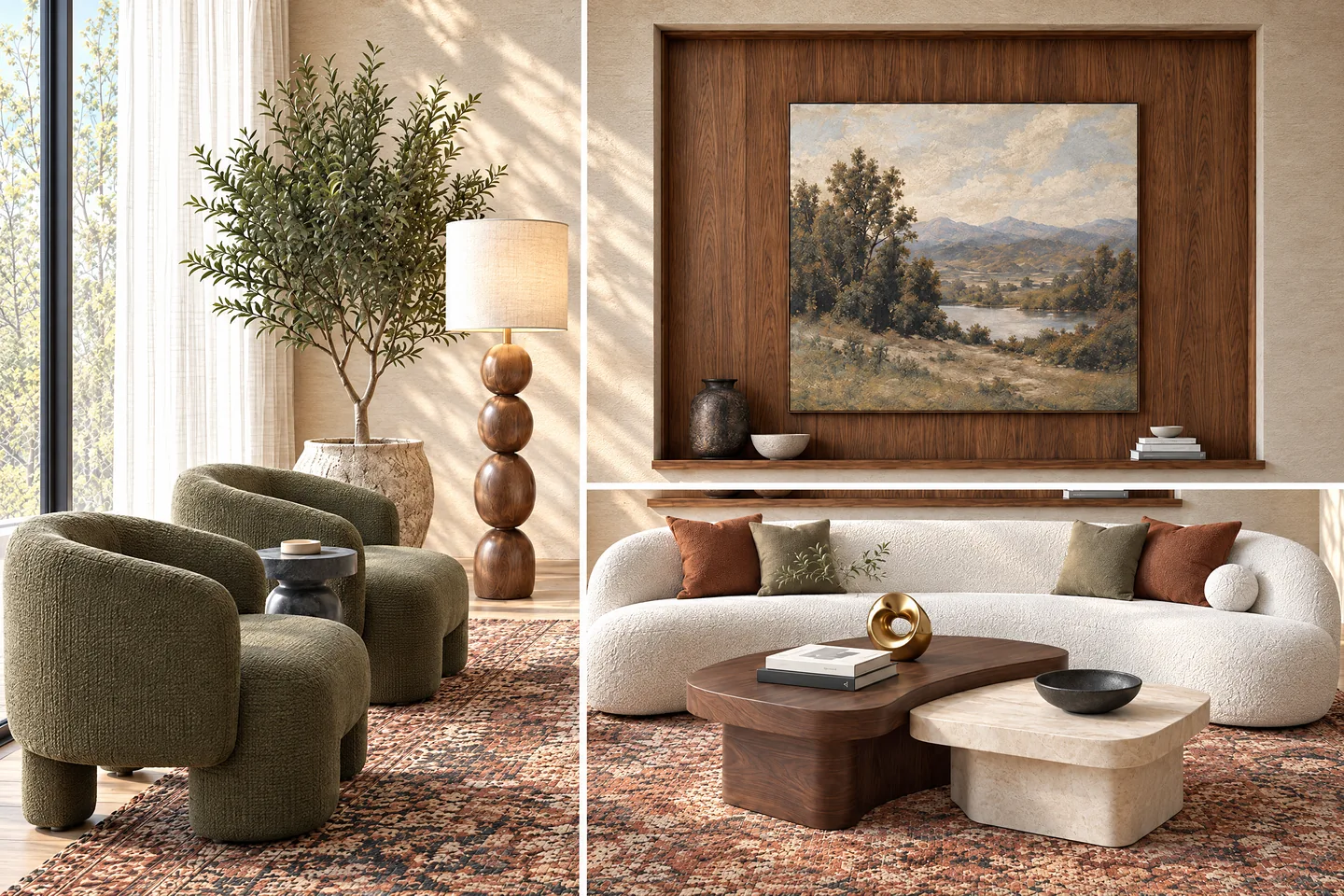 Detail views of the revised room
What each does best
Vibe3D strengths: visual quality through to client delivery.
Bring out the surface detail without losing the design
Create realistic 2K+ renders with rich paving, planting and facade textures and natural lighting. Preserve the reference view’s geometry, camera and material choices; use HyperReal Enhance to finish a settled image.
Keep revisions and decisions with each scene
Target a finish or object precisely, with zero image degradation across iterations. Version tracking retains earlier options, and favorites identify the images to develop or export.
Show the courtyard at the right moment
Use one-click time-of-day changes for interior and exterior views, exterior weather and surroundings controls, and interactive relighting for prepared interiors. Add people and full-resolution details to explain the scale and finishes.
Take the project through the final handoff
Create a cinematic film from selected views with automatic scene assembly and matched music. Present live, export a PDF or ZIP, and share scene or project links from the same workspace.
Develop the courtyard, then deliver the project
Keep the visual decisions close to the images, then choose the presentation format the client needs.
Examples made with Vibe3D. Feature access depends on your plan.
Render the texture of the courtyard
Use Fidelity or Lumen to turn the model view into a detailed 2K+ image. Keep the intended paving, facade and camera visible in the input so they guide the finished render.
Explore architectural rendering
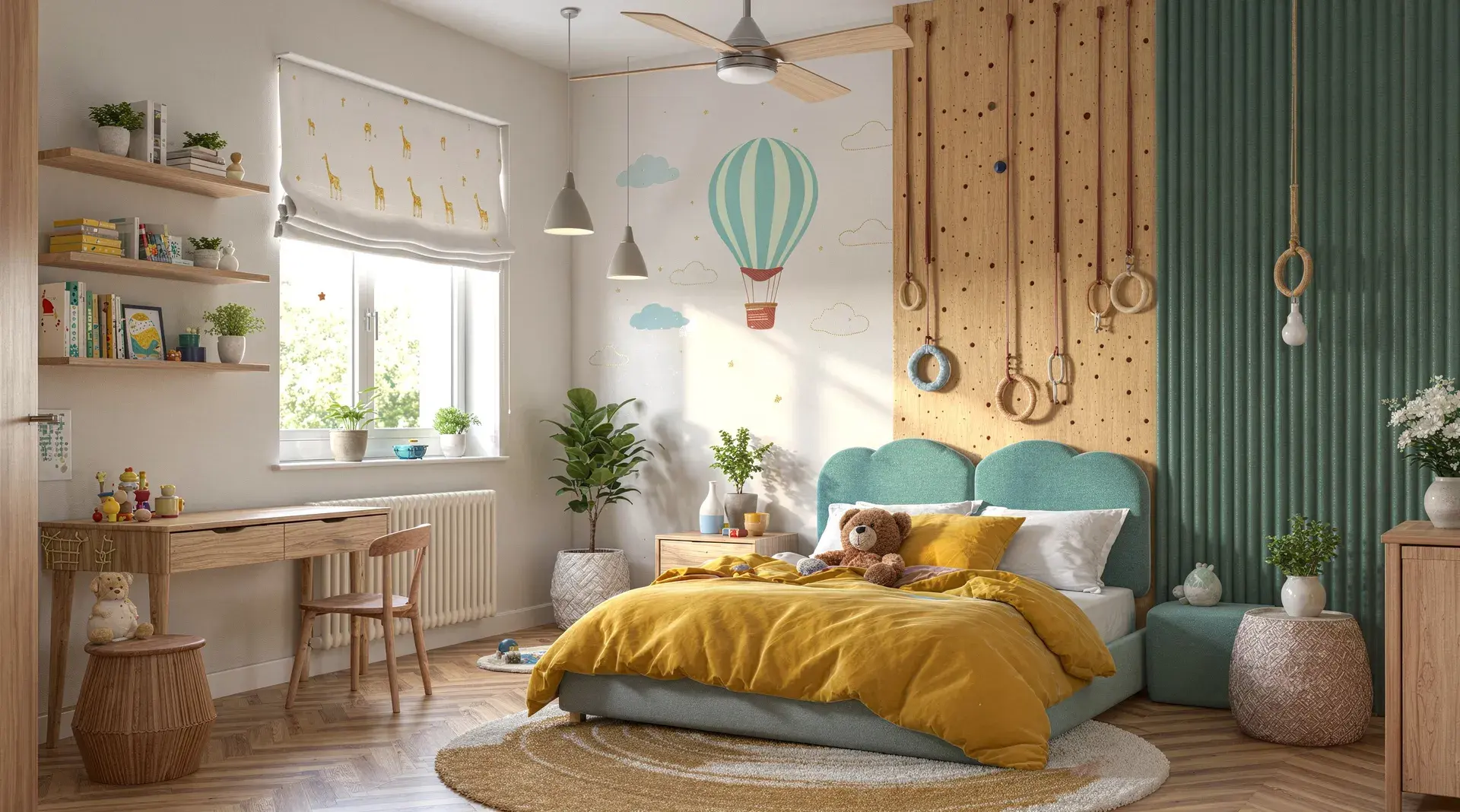
Make the paving decision easy to compare
Select the surface for an edit, keep the earlier version and star the preferred result. Precision editing preserves image quality through revisions; one-click lighting options show another time of day.
See how targeted edits work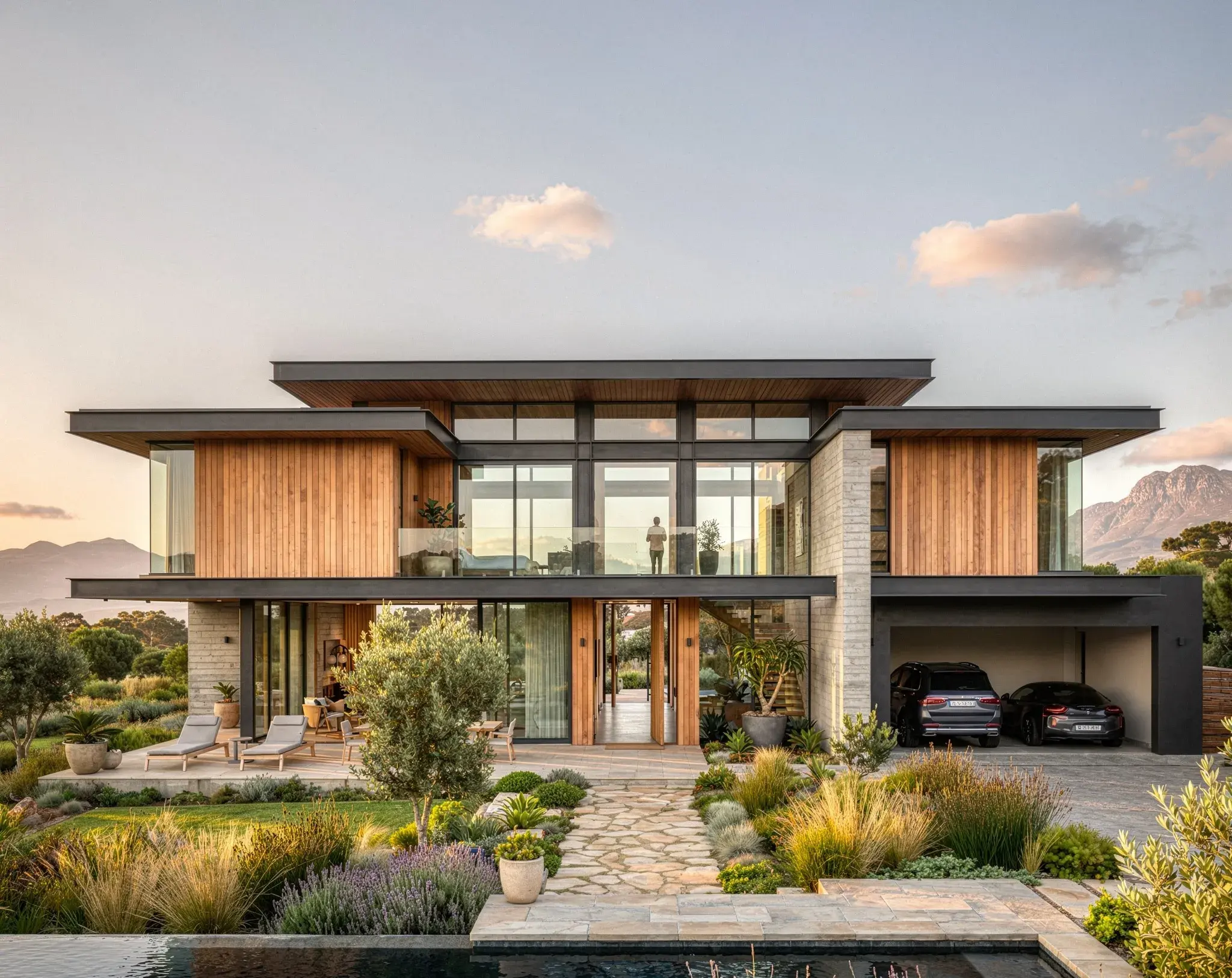
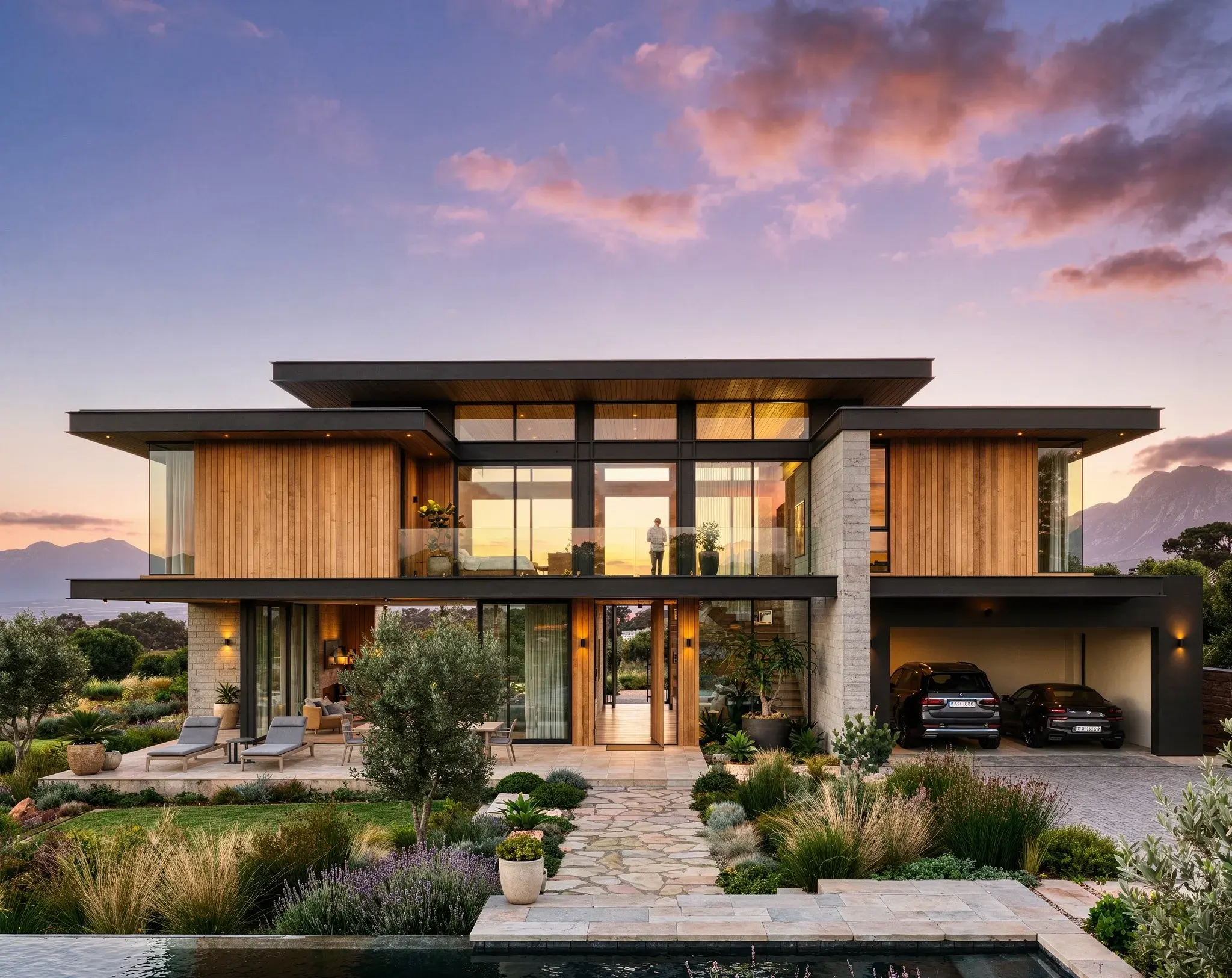
Give the chosen image its final finish
HyperReal Enhance works on an existing render to develop textures, reflections and lighting. Inspect the selected image alongside the original before including it in the client’s final set.
Explore HyperReal enhancement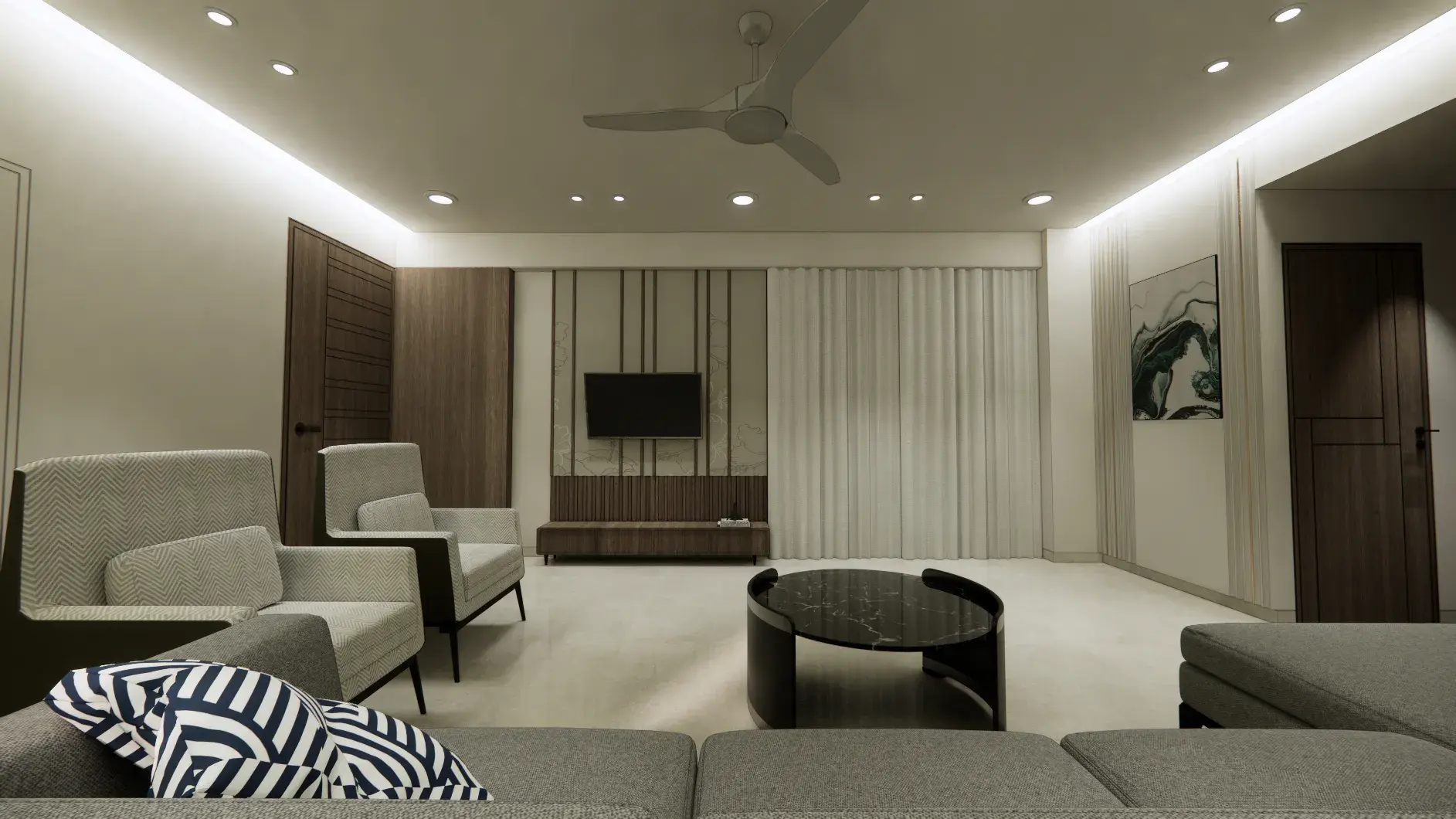
Get more presentation material from each scene

Populate the scene in one click
Add people to make a lobby, living room or shared space feel in use. Build context into the render without a separate compositing pass.

Create close-ups that hold their detail
Generate full-resolution shots of furniture, finishes and architectural details in one click. Give a client the wide view and the details that support the design.
Present the landscape and interiors in one film
Arrange the chosen views into a sequence and select camera movement. Vibe3D assembles the scenes with matched music, ready to download without joining individual clips or adding a soundtrack in a video editor.
Choose the sequence and movement from your selected stills. A generated film does not provide an interactive route through the source 3D model.
Explore project flythroughs
A project workspace through to client delivery
Keep the visual decisions close to the images, then choose the presentation format the client needs.
Keep a record of the revisions
Scenes retain versions and favorites so the chosen paving and lighting remain easy to find. Export Only Starred for the selected set.
Versions and favoritesPresent now, export afterward
Review completed scenes in Present, then prepare a PDF or bulk ZIP download from the project.
Presentations and exportsShare a focused scene or the full project
A view-only project link includes scenes and versions. Use a scene link for a narrower discussion or a curated export for the final shortlist.
Project sharingVibe3D vs Rendair pricing
Vibe3D Pro costs $39 a month for detailed rendering, revisions, films with music and presentation delivery. Rendair Pro is $49 a month with two members and shared boards. Compare the finished project workflow and the editing seats you need; the two credit balances buy different operations.
Vibe3D Pro
$39
/ month · current launch offer
Billed monthly · 300 Vibe3D credits · Commercial use
Keep the design, revisions and presentation together.
- Realistic 2K+ rendering and HyperReal enhancement.
- Precision edits, scene versions and favorites.
- Relighting, population and full-resolution detail shots.
- Project films with music, live Present and PDF/ZIP/link delivery.
Rendair Pro
$49
/ month
Billed monthly · 1,500 Rendair credits · USD
A two-member workspace for images, video and generated 3D assets.
- Render, edit or generate video using a choice of models.
- Rendair sets credit rates by model and output size.
- Unused credits carry forward on renewal.
Prices checked November 3, 2026, in USD before tax. Vibe3D Pro, Studio and one-time pack prices shown are launch offers. Each provider sets its own credit rates.
Vibe3D or Rendair: which should you choose?
Choose Vibe3D for image fidelity, precise revisions and a complete presentation workflow. Compare Rendair for shared boards, its model selection and generated 3D deliverables.
Choose Rendair for the wider project workspace
Rendair can be useful when generation, organization and presentation need to stay together. Its boards and access to multiple models may matter more to your team than the difference between two individual rendering controls.
- Project boards used for references, options and review.
- A proposal workflow spanning several generation tasks.
- Team and presentation features included in the required plan.
Check the number of seats, active boards and output allowances. Do not assume a rendering alternative replaces all of those functions.
Choose Vibe3D for the finished images and project presentation
Use Vibe3D when the finished views, their revisions and the client handoff need to stay together. Rendair is also worth evaluating when multiple editing seats and a shared canvas drive the purchase.
- Bring out the surface detail without losing the design
- Keep revisions and decisions with each scene
- Show the courtyard at the right moment
- Take the project through the final handoff
Use a monthly plan for regular work or a one-time pack for an occasional project. Unused one-time credits never expire.
Try the workflow on your next review
Render a familiar courtyard, revise one surface and compare the versions. Star the preferred image and try Present and export, as well as the film, before choosing the workspace.
Before you switch
Your questions, answered.
Answers about Rendair boards, floor-plan workflows, project handoffs and comparing plans with different credit units.
Comparing more than two renderers?
Explore top AI rendering softwaresSources & review notes
Published by Vibe3D. Product capabilities reviewed November 5, 2026; plan terms checked November 3, 2026. The visual examples show work produced in Vibe3D.