
Vibe3D vs Twinmotion: Which Architectural Renderer Is Better in 2026?
Twinmotion is a popular real-time visualization tool for architects and designers, especially for interactive presentations, walkthroughs, and immersive project reviews. Built on Unreal Engine, it gives teams a fast way to create navigable scenes and animated presentations. But for many studios, Twinmotion also brings tradeoffs: local installation, hardware dependence, more scene-building work, and a workflow that can feel heavier when the main goal is simply producing polished still renders. Vibe3D offers a different approach. It is a cloud-based AI architectural renderer built for fast photorealistic still renders and presentation-ready visuals, without requiring a dedicated GPU or a complex real-time setup.
Best for Fast, Photorealistic Still Renders
Choose Vibe3D if your priority is photorealistic output, speed, and browser-based accessibility. Choose Twinmotion if your workflow depends on real-time walkthroughs, interactive presentations, and immersive scene navigation.
4 Reasons why Architects and Designers prefer Vibe3D over Twinmotion
Built for photorealistic still renders
Twinmotion is strong for real-time scene presentation, but many architects still need polished still images for client reviews, approvals, and marketing. Vibe3D is built to make that workflow faster, helping teams get to high-quality presentation visuals with less manual scene setup.
Cloud rendering without local hardware limits
A major difference between Vibe3D and Twinmotion is where the heavy lifting happens. Twinmotion depends on local machine performance, while Vibe3D runs in the cloud. That makes it easier for teams to render from almost any device without tying output quality to workstation specs.
Faster workflow for everyday architectural visualization
For many teams, the main deliverable is not an interactive experience but a strong still render that communicates mood, materiality, and design intent. Vibe3D shortens that path, making it easier to create multiple options quickly for design reviews and client presentations.
AI-assisted style and mood exploration
Vibe3D helps architects explore different visual directions faster, including mood, lighting, and stylistic variation. That makes it useful not just as a rendering tool, but also as an iteration tool during the presentation and concept refinement process.
Which 3D rendering tool fits your workflow?
Who is Vibe3D best for?
- Architects and interior designers focused on photorealistic still renders.
- Mac users and teams that do not want to depend on high-end rendering hardware.
- Studios that want a simpler workflow for fast client-facing visuals.
- Teams working under tight deadlines that need multiple polished render options quickly.
Who is Twinmotion best for?
- Firms that regularly present projects through interactive walkthroughs and real-time navigation.
- Studios creating immersive architectural presentations and animation-driven reviews.
- Teams that benefit from a large real-time asset ecosystem and Unreal Engine-based workflows.
Vibe3D vs Twinmotion
Features that go beyond Twinmotion
Vibe3D isn't just a faster rendering software — it's a complete AI-powered visualization layer that replaces entire post-production workflows.
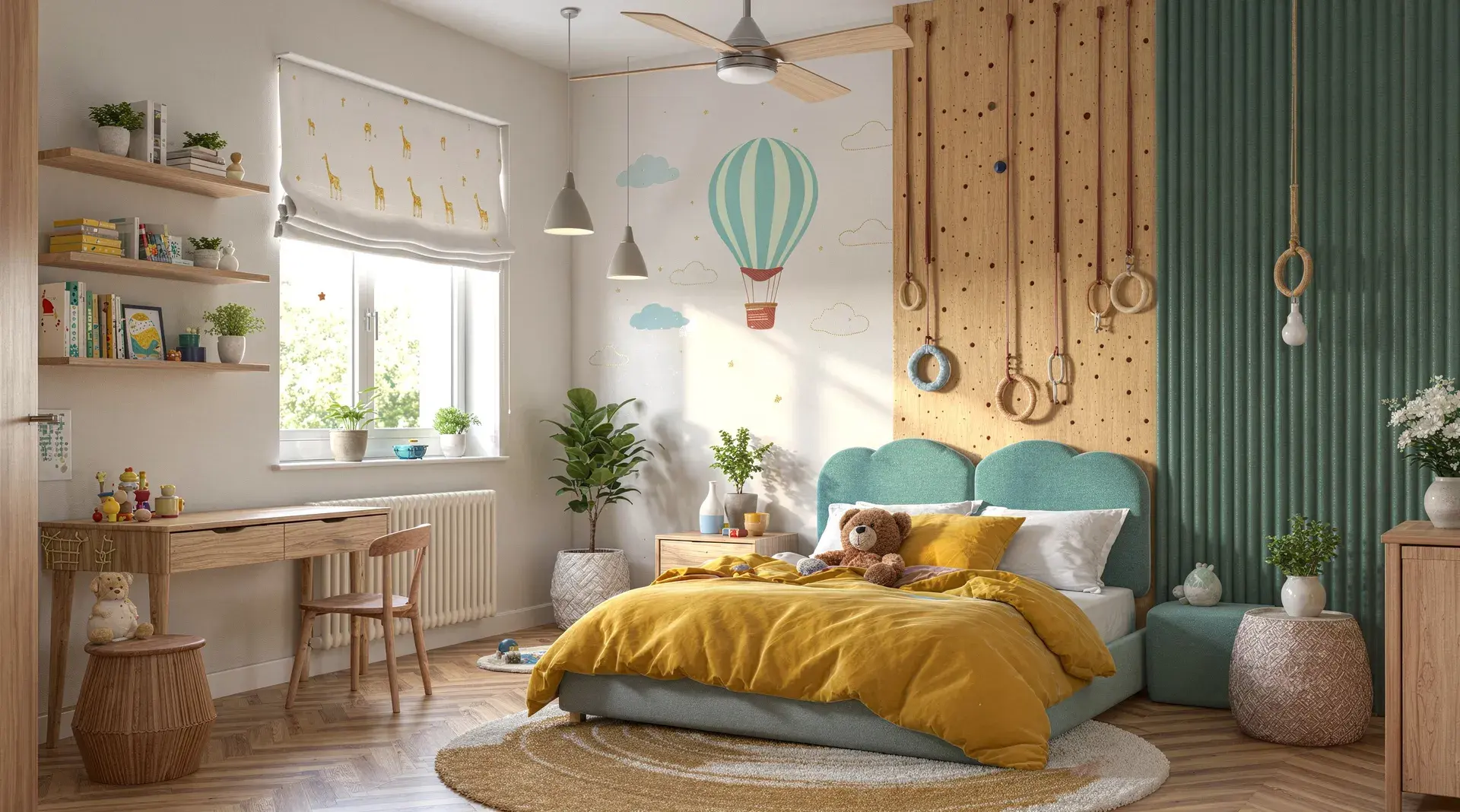
Renders that look like real photos — in under 60 seconds
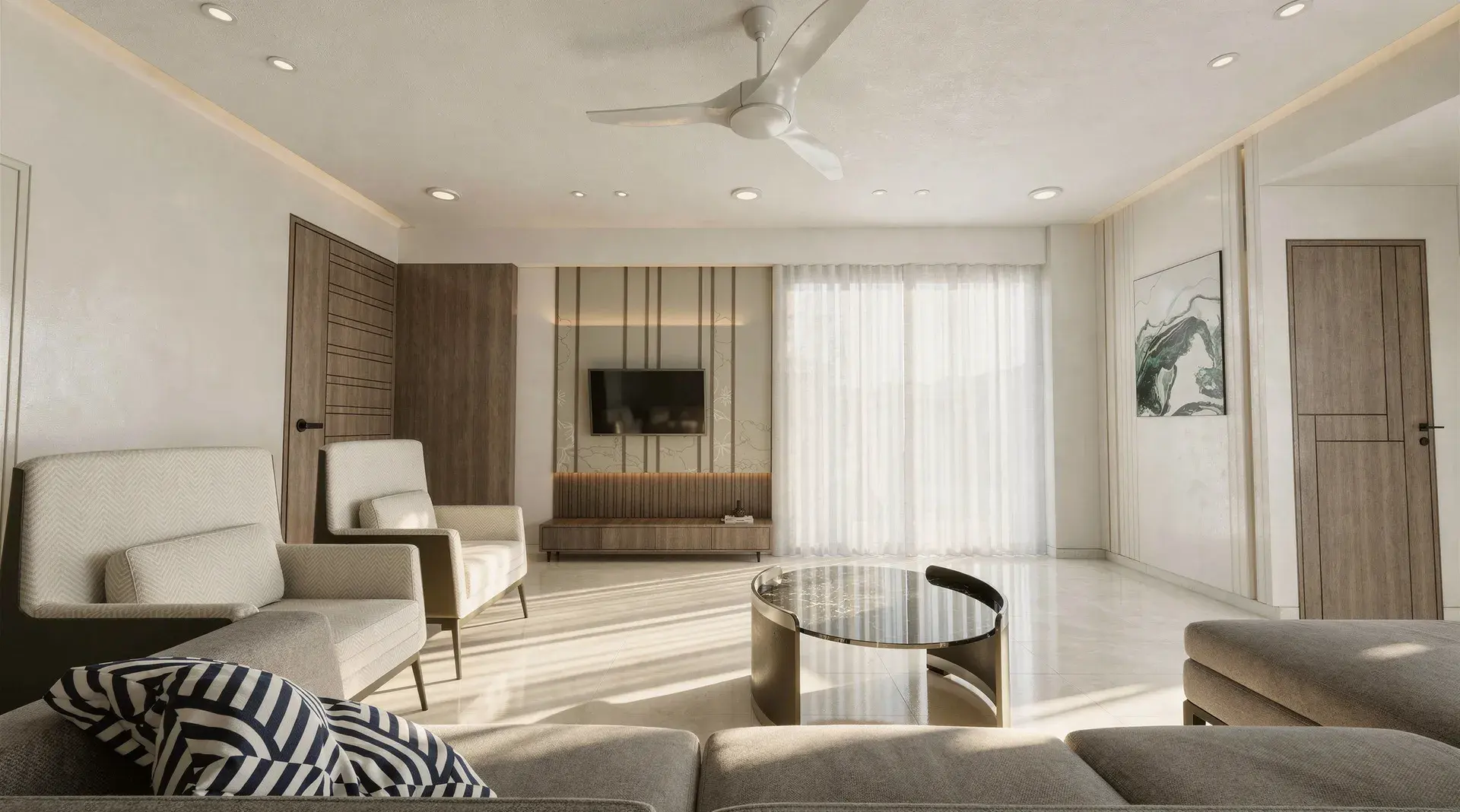
Vibe3D's rendering engine uses AI trained on thousands of architectural photographs to automatically produce cinematic lighting, depth-of-field, and material fidelity in every render. No lighting rigs. No shader setup. No post-processing in Photoshop.
Where Twinmotion requires manual lighting and GPU computation, Vibe3D interprets your model's intent and delivers render-ready photorealism automatically — every single time.
Explore Hyper Realistic Rendering
Change materials, time of day, and mood — without re-rendering
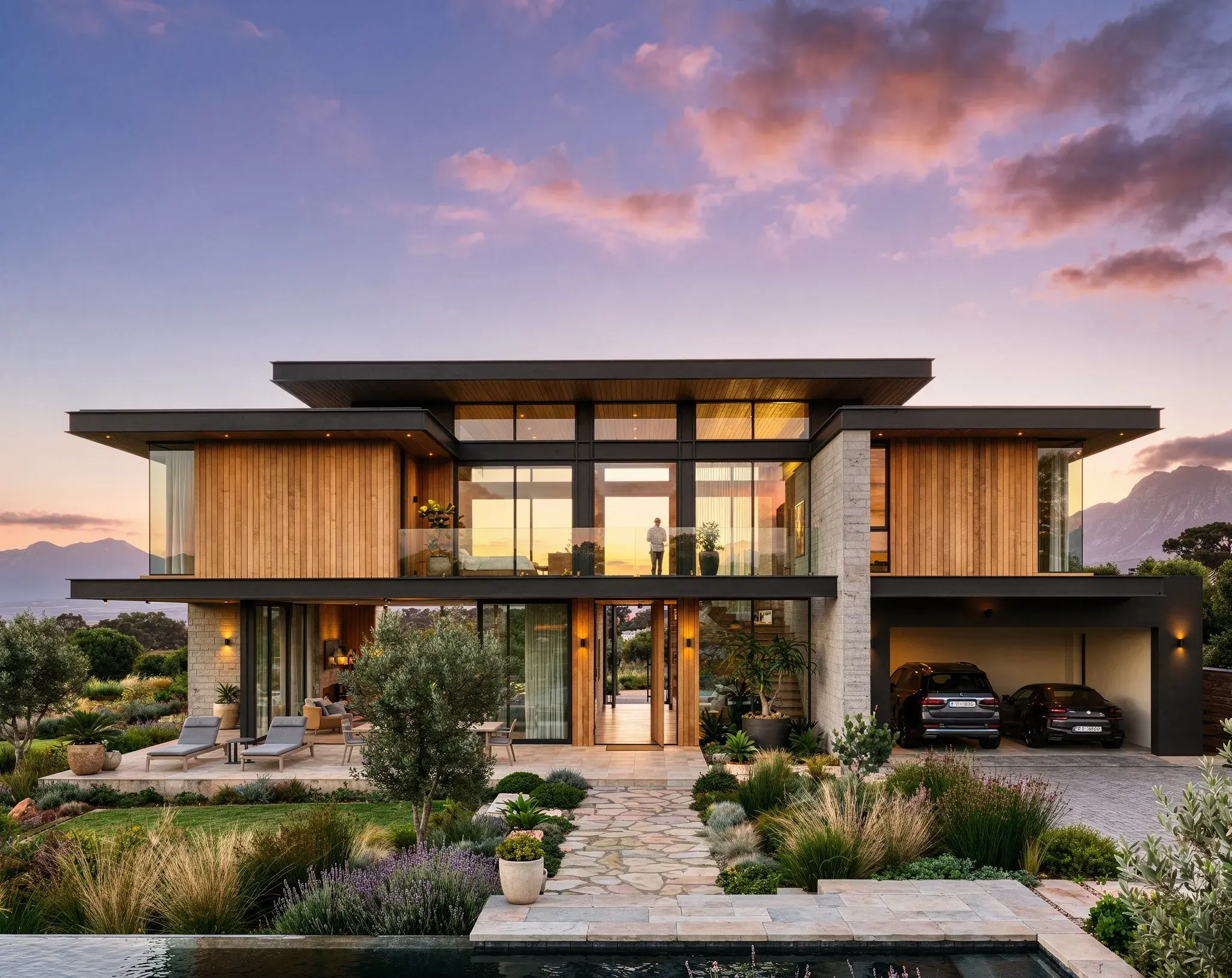
Traditional rendering tools like Twinmotion require you to modify your scene, re-configure settings, and wait for another full render every time a client requests a change. Vibe3D's render editing layer lets you change materials, lighting conditions, vegetation, and stylistic mood with a single click — after the render is already complete.
Deliver unlimited design variations in the same client meeting, without going back to your modeling software or waiting for another render cycle.
Explore Render Editing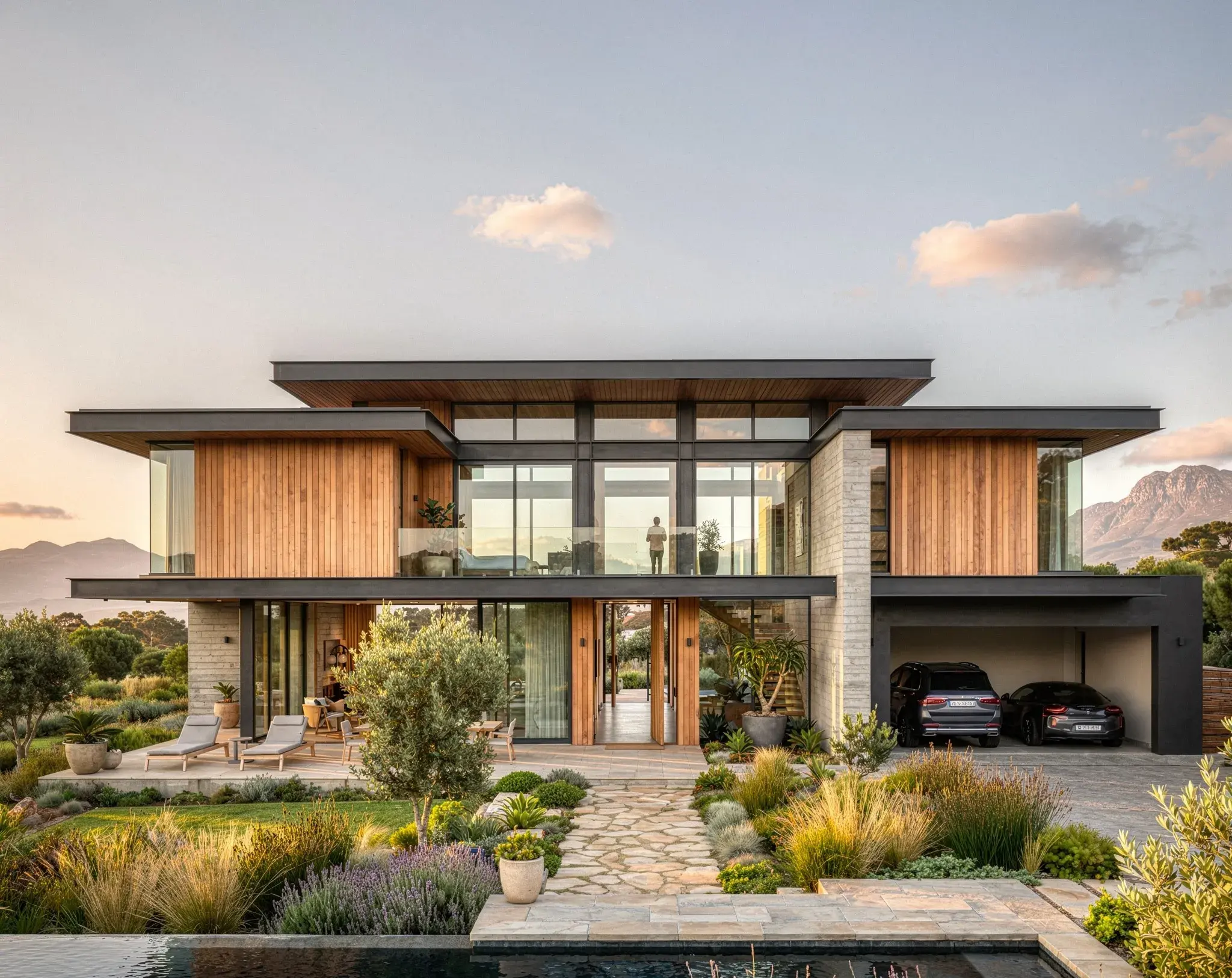
Upscale, relight, and add entourage to any render — including old ones
Import any existing render — even one you exported from Twinmotion — and Vibe3D's AI enhancement tools will upscale it, add photorealistic people and plants, adjust the sky and lighting, and remove unwanted elements, all without touching your 3D model.
It's the fastest way to breathe new life into your back-catalogue of renders and produce polished, publication-ready images for proposals and competitions.
Explore Render Enhancing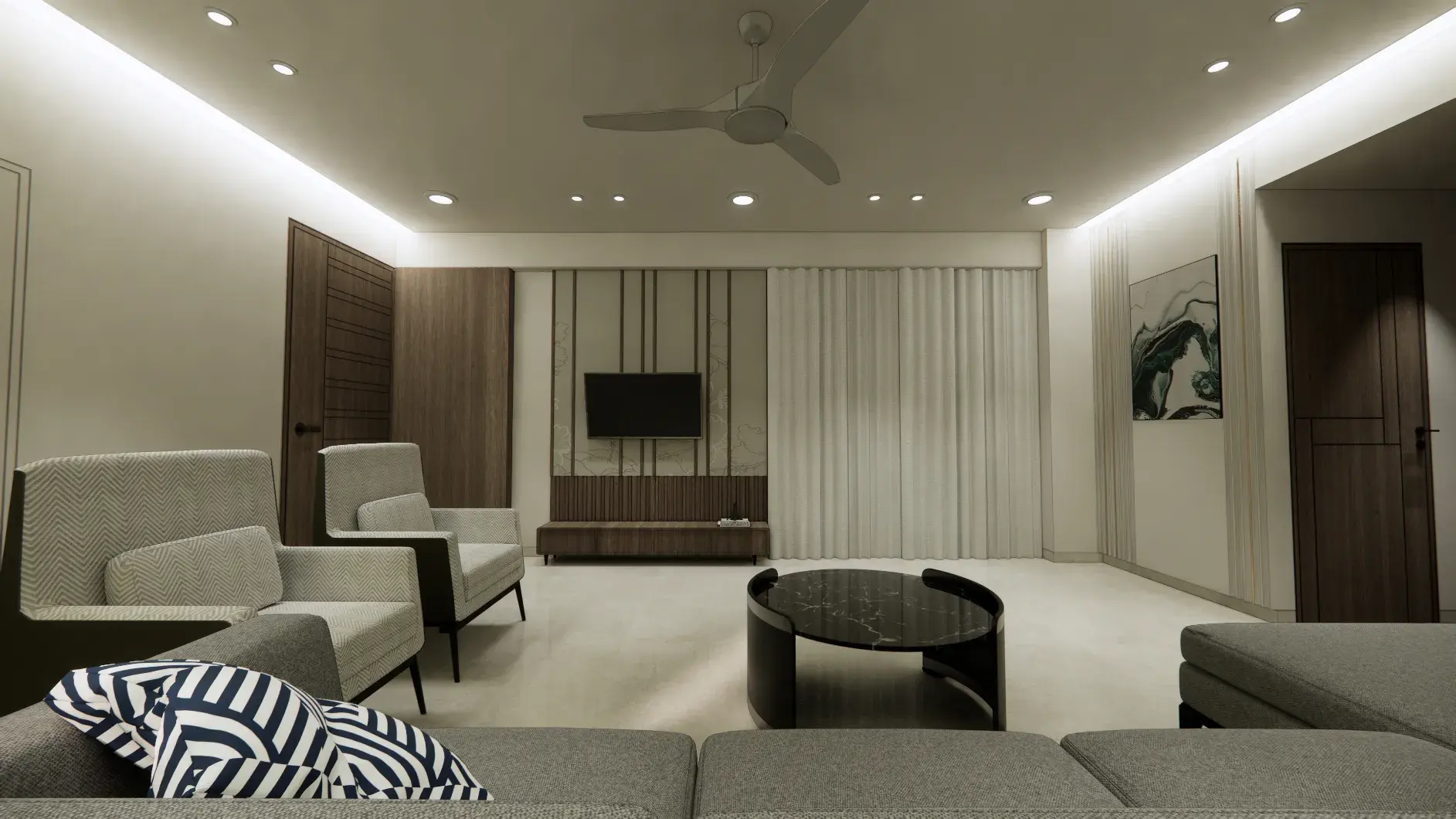
Cinematic architectural flythrough videos — no video production skills needed
Vibe3D automatically generates smooth, cinematic flythrough videos from your 3D model. Simply set a few camera positions and let the AI handle transitions, camera movement interpolation, and consistent photorealistic quality across every frame.
While Twinmotion offers video tools that require manual timeline setup and per-frame rendering, Vibe3D's AI-generated flythroughs are ready to share with clients in minutes — ideal for social media, pitch decks, and competition submissions.
Explore Flythrough Videos
Should you switch from Twinmotion to Vibe3D?
For architects and interior designers focused on photorealistic still renders, quick client presentations, and faster day-to-day visualization, Vibe3D is the stronger Twinmotion alternative in 2026. Twinmotion remains a strong option for firms that rely on real-time navigation, immersive walkthroughs, and interactive presentations. But if your main goal is high-quality still output with less setup and lower hardware dependency, Vibe3D is the more accessible and efficient choice.
Best Twinmotion Alternatives in 2026
Our team went hands-on to benchmark rendering speed, quality, and cost. Read the full breakdown to make an informed decision.
Read the full guideCommon questions about Vibe3D vs Twinmotion
What is the best Twinmotion alternative for architects?
If your priority is photorealistic still renders and a simpler workflow, Vibe3D is one of the strongest Twinmotion alternatives in 2026. It is especially useful for architects and interior designers who need fast, client-ready visuals without a hardware-heavy setup.
Is Vibe3D better than Twinmotion for architectural rendering?
It depends on the workflow. Vibe3D is better for fast still renders, easier iteration, and browser-based accessibility. Twinmotion is the better fit for teams that rely on real-time navigation, interactive scenes, and immersive project walkthroughs.
Can Vibe3D replace Twinmotion in an architectural workflow?
For still-render deliverables, often yes. Vibe3D works well for teams using SketchUp, Revit, Archicad, and Rhino when the goal is fast, polished presentation visuals. Twinmotion remains the stronger option for workflows centered around real-time walkthroughs and interactive presentation.
Does Vibe3D require Unreal Engine like Twinmotion?
No. Vibe3D is a cloud-based platform and runs in the browser, so it does not require Unreal Engine, local installation, or a dedicated rendering machine.
Is Vibe3D faster than Twinmotion?
For still-render workflows, Vibe3D reduces setup time and generates polished results quickly in the cloud. Twinmotion can also be fast, but output depends more on local hardware, scene setup, and export workflow.
Is Vibe3D cheaper than Twinmotion?
For many studios, yes. Vibe3D offers a free tier and usage-based pricing, while traditional real-time visualization workflows may also involve hardware investment. That often makes Vibe3D the more accessible option for teams focused on photorealistic still renders.
New to AI rendering? What is it and why is it replacing traditional rendering workflows?
AI rendering uses machine learning to generate photorealistic architectural visuals from 3D models — without traditional lighting setups, shader configuration, or GPU-heavy hardware. Instead of spending hours fine-tuning a scene, architects upload their model and get presentation-ready results in seconds. Vibe3D's AI rendering software is built specifically for architectural workflows across SketchUp, Revit, Rhino, Archicad, and more.
Learn more about AI rendering